Partnership Background
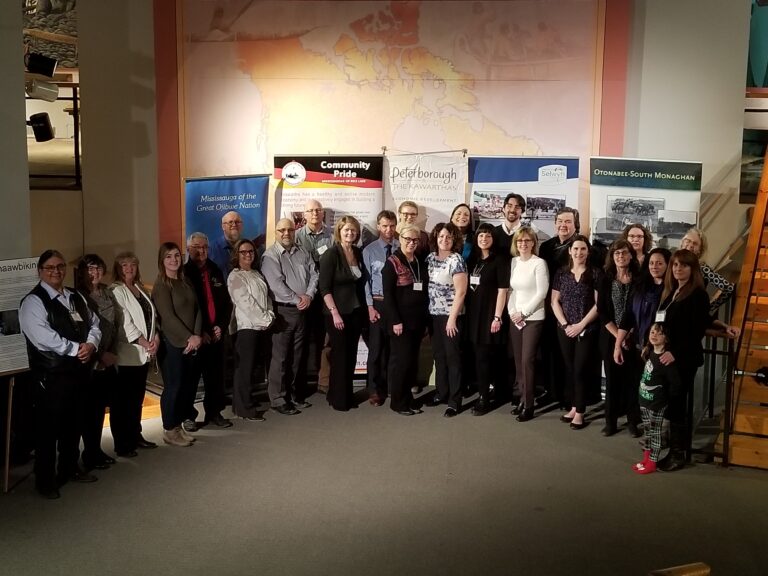
Hiawatha First Nation and Curve Lake First Nation are Anishinaabe communities located within Treaty 20 (Mississauga) Territory, along the Otonabee River and the shores of Rice Lake in central Ontario. The surrounding municipalities of Selwyn and Otonabee-South Monaghan, together with the County of Peterborough and Peterborough & the Kawarthas Economic Development (PKED), make up a shared regional area with close cultural, economic, and environmental ties.
This regional partnership participated in the CEDI program during Phase II (2017 – 2020). Bringing together six governments and organizations, it represented one of CEDI’s largest and most collaborative models, often referred to as the Treaty 20 CEDI partnership.
Key Milestones and Collaborative Community Economic Development Initiatives
Friendship Accord
The partnership formally launched its collaboration through a Joint Working Group that brought together representatives from all six partners. The group operated by consensus and developed clear communication channels across First Nation and municipal governments.
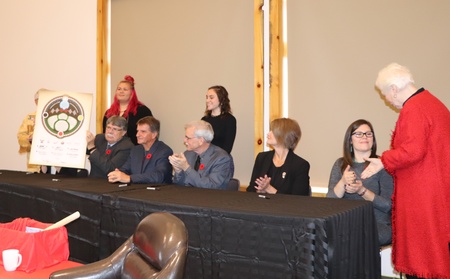
Through this process, the partners co-developed a shared vision focused on reconciliation, relationship-building, and sustainable regional development. This led to the signing of the Ezhi-Wiijikiwendiyang Friendship Accord in November 2019, a historic commitment recognizing their mutual responsibilities as Treaty 20 neighbours and partners.
The Accord’s name, meaning “the way we are friends” in Anishinaabemowin, symbolizes the partnership’s commitment to continue working together beyond CEDI’s timeline and serves as a guiding document for ongoing collaboration across the region.
Wampum Belt
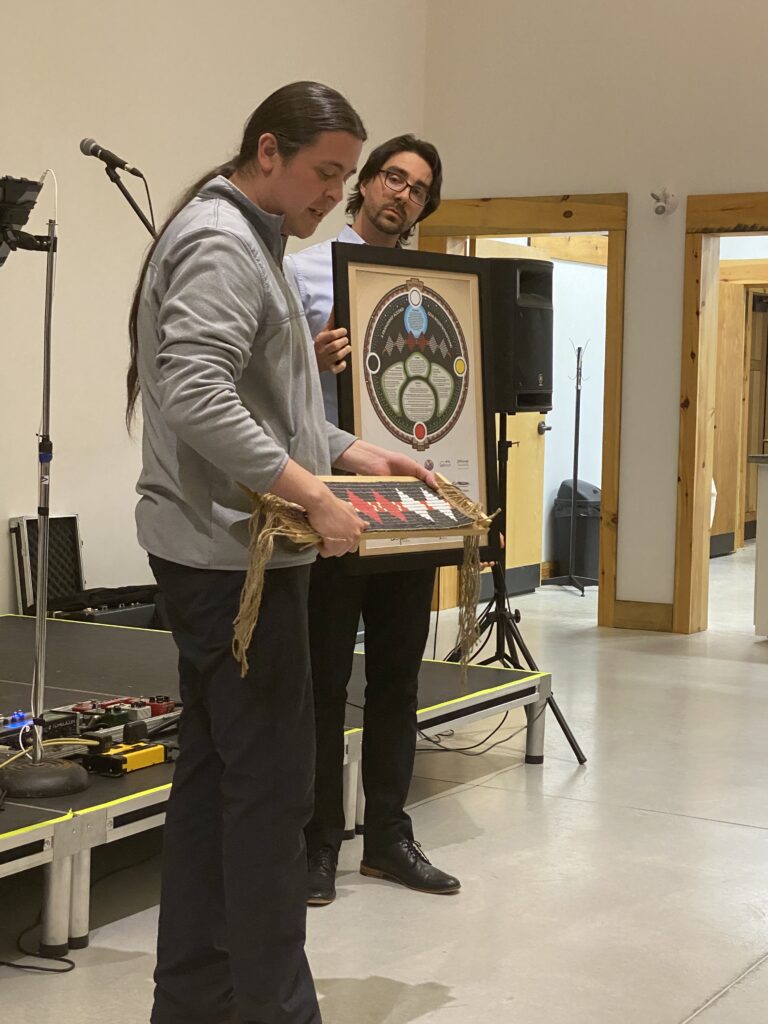
Following the signing of the Ezhi-Wiijikiwendiyang Friendship Accord, the partners created and presented their first modern Wampum Belt to further honour the Anishinaabe way of entering into partnership. The Wampum was unveiled during the CEDI graduation ceremony in March 2020 and was presented by Jack Hoggarth of Curve Lake First Nation.
The belt visually represents the unity and shared purpose of the six partners—Hiawatha First Nation, Curve Lake First Nation, the Townships of Selwyn and Otonabee-South Monaghan, the County of Peterborough, and Peterborough & the Kawarthas Economic Development. It symbolizes their ongoing commitment to reconciliation, collaboration, and mutual respect as Treaty 20 neighbours.
Over three years of collaboration, the partners advanced several regional initiatives designed to strengthen relationships, promote shared prosperity, and enhance planning coordination across Treaty 20 Territory.
These initiatives reflected a balance between cultural revitalization, economic opportunity, and practical cooperation, demonstrating how regional partnerships can embed reconciliation into economic development.
1. Planning & Consultation Working Group
The Planning & Consultation Working Group developed a Geographic Information System (GIS)-based consultation tool to support information sharing and coordination among First Nation and municipal partners. This tool enhanced transparency in local planning and development, particularly regarding Duty-to-Consult processes, and helped build mutual understanding of land-use priorities across jurisdictions.
2. Regional Economic Development & Tourism Working Group
Partners created a Regional Economic Development Working Group that explored Indigenous tourism and business growth opportunities within the Kawarthas region. Activities included mapping tourism assets, identifying business incubation opportunities, and hosting workshops focused on Indigenous entrepreneurship and cultural tourism.
This group worked closely with Peterborough & the Kawarthas Economic Development (PKED) to align regional strategies and ensure that Indigenous perspectives were reflected in broader tourism and business planning initiatives.
3. Education & Awareness Initiatives
A core aspect of the partnership involved building mutual understanding of local Indigenous history and Treaty 20 relationships. Partners co-hosted educational workshops, Treaty awareness sessions, and youth engagement events to strengthen cultural knowledge and collaboration between governments.
This educational work helped municipal partners deepen their understanding of Treaty responsibilities and supported ongoing reconciliation efforts within the region.
In the Media
- May 2, 2018: Peterborough County supports program that boosts bonds between municipalities, First Nations
- November 26, 2018: Economic development partnership with First Nations moves forward
- October 27, 2019: Peterborough-area communities forge new economic partnership
- November 2, 2019: New economic friendship is forged
- November 4, 2019: Friendship Accord signed between 6 partners of the Community Economic Development Initiative in Peterborough area
- November 2019: Six partners sign historic Friendship Accord in southeastern Ontario
- N/A: CEDI Community Graduates
Photo Gallery
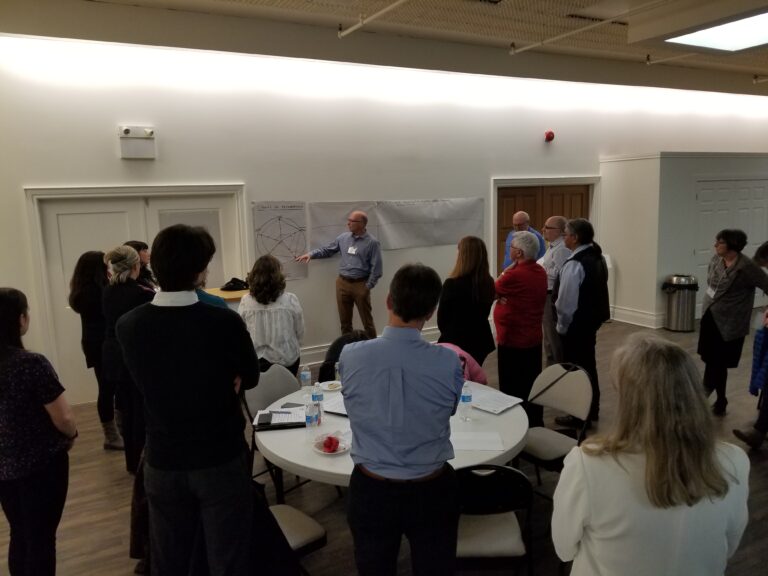
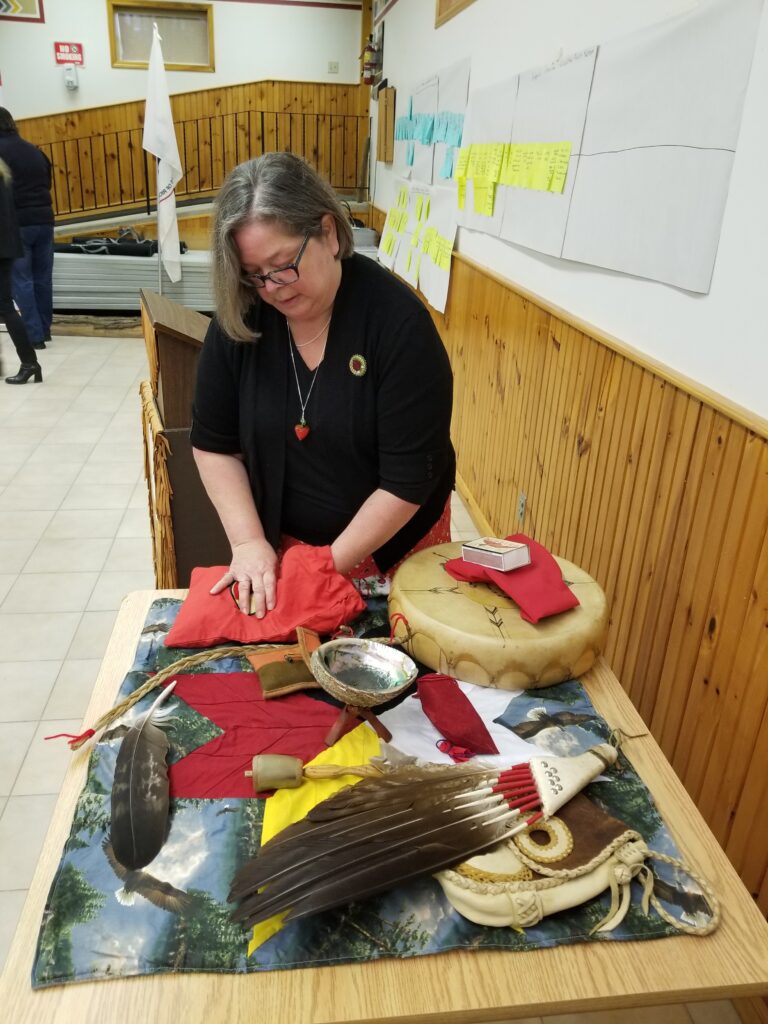
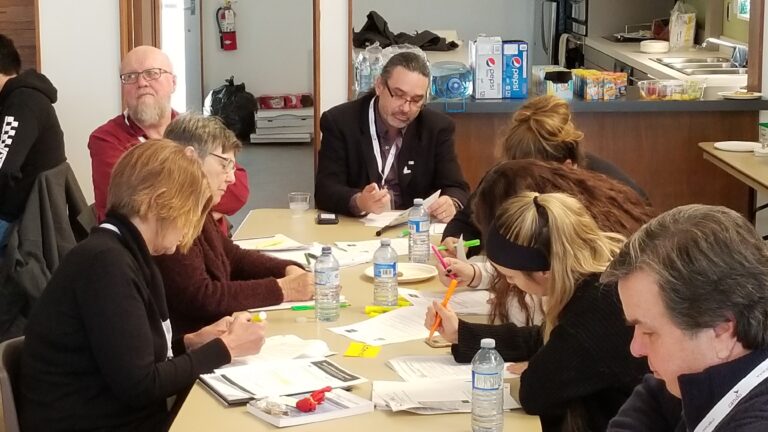
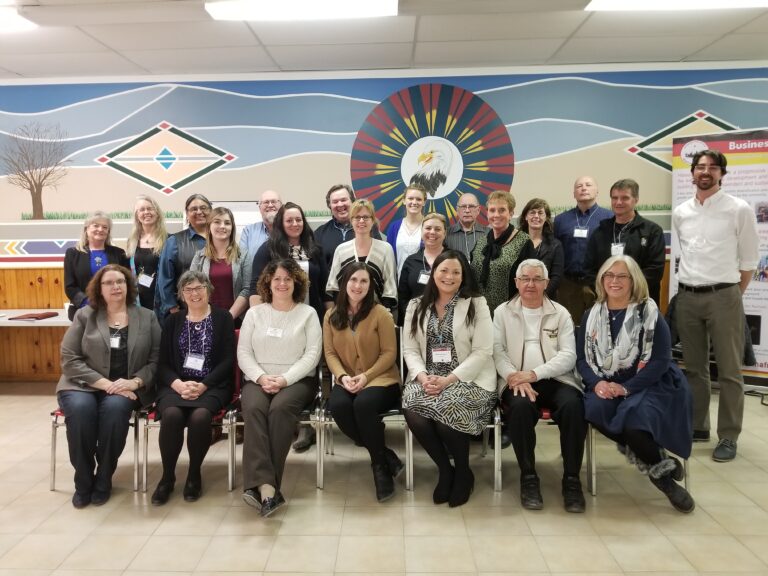
Partnership Videos
Strengthening First Nation-Municipal Relationships
Free, Prior and Informed Consent and First Nation
Municipal Relationships and the Duty to Consult
First Nation-Municipal Relationships and Youth Leadership
Friendship Accord: A CEDI Success Story
Quotes
“In my 21 years in municipal work, this CEDI partnership was among the most important and satisfying projects I have been a part of. The relationships we’ve built are what will carry our communities forward.”
Mary Smith, Former Mayor of Selwyn Township
“This collaboration has shown what’s possible when local governments and First Nations come together with shared purpose. The trust and respect built through CEDI are helping shape how we move forward across the region.”
Andy Mitchell, Warden of Peterborough County
"In regards to economic development, I’d like to see more partnerships. We are in a beautiful area and I believe we can partner on quite a few items and make that successful for the First Nation and the townships. Those partnerships would be beneficial to everyone. It also creates the opportunity of knowing First Nations aren’t against development; what we are against is coming in and being told what is happening or just coming through our territory with no engagement process. When you work with First Nations it is about Free Prior and Informed Consent and Permissions. And that needs to happen. And that relationship needs to happen."
Chief Laurie Carr, Hiawatha First Nation
“We now involve First Nation members in the County and Township planning, application and decision. We seek their input and we should have been doing this all along. Better late than never. I certainly see it [CEDI program] as laying the path for the future. If we can continue in the spirit of co-operation, understanding and mutual respect, it will bode well for decisions which will need to be made in the future.”
Mayor Joe Taylor, Township of Otonabee South Monagha
“The relationship with the County was a little bit granular. That’s why the CEDI organizers thought it would be a good idea to bring the County into this process. And since then our relationship has flourished. We are on a first names basis. I can pick up the phone and call the Planners at the County anytime. The County and other municipalities that we are working with are stepping outside of the boundaries of The Planning Act and going beyond the bare minimum of what that document requires. It has completely transformed the relationship that Consultation (Curve Lake Department) has with the various townships in this area.”
Julie Kapyrka, Consultation Liaison, Curve Lake First Nation